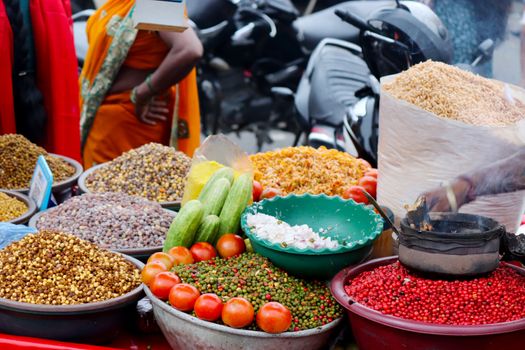
Malaysian food is a symphony of flavors, aromas, and textures. For anyone who has wandered through the bustling night markets of Penang, shared a meal at a roadside warung, or simply relished a steaming bowl of laksa on a rainy afternoon, the memories linger long after the last bite. My love letter to Malaysian food is more than a nostalgic tribute—it's a celebration of a cuisine that has shaped communities, inspired culinary innovation, and told stories of migration, unity, and resilience. In this article, I invite you on a sensory journey through the distinctive heart of Malaysian food, exploring its deep-rooted diversity, signature dishes, cultural significance, and the enduring global appeal that makes it truly unforgettable.
The Melting Pot: Diversity at the Core of Malaysian Food
Malaysian food is a living testament to the nation's multicultural tapestry. With over 32 million people—primarily Malays, Chinese, Indians, and indigenous groups—Malaysia’s culinary scene is a vibrant blend of traditions, techniques, and ingredients.
The result? A dazzling array of dishes that reflect centuries of migration and cultural exchange. For example, the beloved Nasi Lemak, often called Malaysia’s national dish, combines coconut-infused rice (Malay), spicy sambal (Indonesian influence), fried anchovies (Chinese), and curry (Indian). Another classic, Roti Canai, was brought by Indian Muslim immigrants and has evolved into a breakfast staple enjoyed by all.
.png)
According to the Malaysian Department of Statistics, there are over 7,000 registered food establishments serving traditional Malaysian cuisine, not counting the countless hawker stalls and family-run eateries. This diversity ensures that every meal is a new adventure—whether you’re savoring a Peranakan Nyonya curry, tucking into a bowl of Sarawak laksa, or sampling a spicy rendang from Minangkabau heritage.
Signature Dishes: A Culinary Tour of Malaysia
To fall in love with Malaysian food is to fall in love with its signature dishes—each with its own story, regional twist, and loyal fanbase. Let’s embark on a culinary tour of some must-try classics:
Nasi Lemak This fragrant rice dish cooked in coconut milk is typically served with sambal, peanuts, boiled egg, cucumber, and crispy anchovies. In 2016, Nasi Lemak was ranked 9th in CNN’s list of the world’s 50 best foods, a testament to its universal appeal.
Char Kway Teow Originating from Penang, Char Kway Teow is a stir-fried noodle dish made with flat rice noodles, prawns, Chinese sausage, eggs, and bean sprouts. It’s smoky, savory, and slightly spicy—often cooked over a raging wok fire for that signature “wok hei” flavor.
Laksa Laksa is a spicy noodle soup with two main regional variants: Assam Laksa (tangy, fish-based, and popular in Penang) and Curry Laksa (coconut milk, chicken, shrimp, and tofu, favored in Kuala Lumpur and beyond). In 2011, Penang Assam Laksa was ranked 7th in CNN’s world’s best foods poll.
Satay Mini skewers of marinated meat (chicken, beef, or lamb) grilled over charcoal and served with peanut sauce, cucumbers, and rice cakes. Satay is a symbol of Malaysian street food culture and a favorite at festive gatherings.
Rendang This rich, slow-cooked coconut beef stew is a festival favorite, often served during Hari Raya and special occasions. Though it originates from Sumatra, rendang has become a staple in Malay cuisine.
Here’s a comparison table of Malaysia’s top five iconic dishes:
| Dish | Main Ingredients | Region of Origin | Key Flavors |
|---|---|---|---|
| Nasi Lemak | Coconut rice, sambal, anchovies, peanuts, egg | Nationwide | Rich, spicy, aromatic |
| Char Kway Teow | Rice noodles, prawns, sausage, egg, bean sprouts | Penang | Smoky, savory, slightly spicy |
| Laksa | Noodles, fish/chicken, coconut milk, spices | Penang/Kuala Lumpur | Spicy, tangy, creamy |
| Satay | Marinated meat, peanut sauce | Java/Malaysia | Grilled, sweet, nutty |
| Rendang | Beef, coconut milk, spices | Minangkabau/Malay | Rich, spicy, aromatic |
Street Food Culture: The Heartbeat of Malaysian Cities
No love letter to Malaysian food is complete without a tribute to its legendary street food culture. Across cities like Kuala Lumpur, George Town, and Ipoh, hawker stalls line the streets, offering affordable, freshly cooked meals from morning till late at night.
Street food is deeply woven into the everyday lives of Malaysians. According to a 2019 survey by the Malaysian Global Innovation & Creativity Centre, over 80% of Malaysians eat street food at least once a week, and nearly 60% cite “variety” as their top reason.
Some iconic street food experiences:
- Jalan Alor (Kuala Lumpur): Famous for satay, grilled seafood, and stir-fried noodles under neon lights. - Gurney Drive (Penang): Hawker stalls offering Penang laksa, oyster omelette, and ais kacang (shaved ice dessert). - Ipoh Old Town: Renowned for white coffee, curry mee, and caramel egg custard.Street food is not just about convenience; it’s about community. Stalls are often family-run, with recipes passed down for generations. The open-air setting fosters conversation and camaraderie—where strangers become friends over a shared meal.
Food as a Bridge: Unity in Every Bite
One of the most remarkable aspects of Malaysian food is its power to unite. In a country with over 130 spoken languages and myriad religious beliefs, food serves as a common language—transcending cultural barriers and bringing people together.
Festivals and public holidays—Hari Raya Aidilfitri, Chinese New Year, Deepavali, Gawai, and Christmas—are celebrated with open houses, where families invite friends and neighbors of all backgrounds to share in traditional dishes. The “open house” culture is unique to Malaysia and fosters understanding and harmony.
A 2020 study by the Institute of Ethnic Studies found that 72% of Malaysians believe shared meals help promote racial harmony. Dishes like Nasi Lemak, Roti Canai, and Teh Tarik (pulled tea) are enjoyed by Malaysians of every faith and ethnicity, reflecting the spirit of inclusion.
The story of Malaysian food is, at its core, a story of acceptance and adaptation. Indian curries are tempered to suit Malay palates, Chinese noodles are enriched with local spices, and Malay rendang is enjoyed at Chinese weddings. The result is a cuisine that belongs to everyone—and welcomes all.
Malaysian Food on the World Stage: Global Recognition and Influence
In recent years, Malaysian food has garnered increasing recognition on the international culinary scene. From Michelin-starred Malaysian restaurants in London and New York to food festivals in Sydney and Dubai, the flavors of Malaysia are captivating global audiences.
As of 2023, over 500 Malaysian restaurants operate outside of Malaysia, according to the Malaysian External Trade Development Corporation. High-profile chefs like Ping Coombes (MasterChef UK winner) and Norman Musa have helped put Malaysian cuisine on the map.
Malaysian food’s global popularity is also reflected in social media trends. The hashtag #malaysianfood boasts over 2.1 million posts on Instagram, with foodies sharing everything from homemade kuih to elaborate Nasi Kerabu platters.
International food guides have taken note, too. In 2022, TasteAtlas ranked Penang as the #1 food destination in Asia, citing its hawker food and multicultural influences. Meanwhile, Lonely Planet regularly features Malaysian dishes in its top “must-eat” lists for travelers.
Why Malaysian Food Will Always Have My Heart
For me, Malaysian food is more than a collection of recipes—it’s a living link to my heritage, a comfort in times of homesickness, and a reminder of Malaysia’s enduring spirit of togetherness. Whether I’m savoring a bowl of spicy laksa in a bustling food court or recreating my grandmother’s rendang on a quiet Sunday, each dish tells a story of family, migration, adaptation, and joy.
In a world that often feels divided, Malaysian food teaches us that diversity is something to be celebrated, not feared. Every meal is an invitation—to connect, to share, and to discover. That’s why my love letter to Malaysian food is, above all, a love letter to the people and stories behind each unforgettable bite.