Malaysia: An Uncharted Territory of Asian Cuisine
Malaysia, nestled in the heart of Southeast Asia, is often overshadowed by its culinary neighbors — Thailand’s spicy curries, Vietnam’s fragrant pho, and Singapore’s hawker scene. Yet, Malaysia boasts a gastronomic landscape as intricate and diverse as its multicultural society. While foodies may have heard of nasi lemak or satay, the true breadth and depth of Malaysian cuisine remain an unexplored treasure trove for many. It is a cuisine born of centuries of migration, trade, and cultural exchange, resulting in a dazzling array of flavors and techniques that set it apart from anywhere else in Asia.
This article ventures deep into Malaysia’s uncharted culinary territory, exploring its unique fusion of flavors, regional specialties, hidden culinary traditions, food culture, and the modern evolution of its kitchen. Whether you’re a curious traveler, an adventurous eater, or simply someone who loves to discover new tastes, Malaysia’s cuisine offers a journey like no other.
The Melting Pot of Influences: Foundations of Malaysian Cuisine
Malaysia’s food scene is a direct reflection of its rich history of migration and trade. The country is home to three major ethnic groups — Malays, Chinese, and Indians — alongside indigenous communities and descendants of Arab, Thai, Javanese, and Eurasian settlers. This kaleidoscope of cultures has gifted Malaysia with an incredible variety of dishes and cooking styles.
.png) Key influences include:
- Malay cuisine, with its aromatic herbs and coconut-rich curries.
- Chinese cuisine, introducing stir-fries, noodles, and dim sum.
- Indian cuisine, bringing spices, curries, and breads like roti canai.
Key influences include:
- Malay cuisine, with its aromatic herbs and coconut-rich curries.
- Chinese cuisine, introducing stir-fries, noodles, and dim sum.
- Indian cuisine, bringing spices, curries, and breads like roti canai.
But what sets Malaysia apart is how these elements have fused, resulting in hybrid cuisines such as Nyonya (Peranakan) and Mamak. For instance, Nyonya cuisine — developed by early Chinese immigrants who married local Malays — features dishes like laksa lemak (a coconut-rich noodle soup) and ayam pongteh (braised chicken with fermented soy bean paste), blending Chinese techniques with Malay flavors.
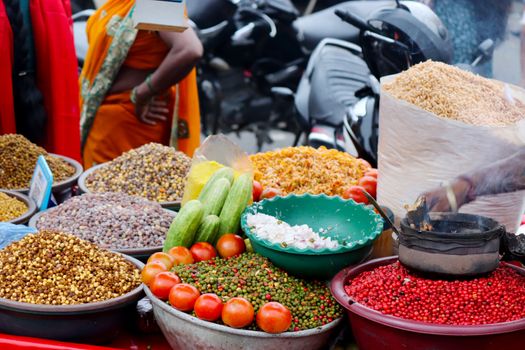
Furthermore, Malaysia’s location along ancient spice routes has introduced ingredients like star anise, cinnamon, and cardamom, as well as cooking methods such as grilling over charcoal and slow braising. With over 130 languages spoken nationwide, each community has contributed unique dishes to the national repertoire, making Malaysian cuisine one of the most multicultural in the world.
Regional Diversity: Beyond Kuala Lumpur and Penang
While cities like Kuala Lumpur and Penang are often touted as Malaysia’s food capitals, the true diversity of Malaysian cuisine unfolds across its lesser-known regions. Each state boasts specialties rooted in local history, geography, and available ingredients.
For example: - Kelantan in the northeast is famous for nasi kerabu, a blue-tinted rice dish colored by butterfly pea flowers and served with fish, herbs, and salted egg. - Sarawak on the island of Borneo is known for Sarawak laksa, a tangy, spicy noodle soup that Anthony Bourdain once called “breakfast of the gods.” - Negeri Sembilan’s Minangkabau community specializes in dishes like rendang and masak lemak cili api, a fiery coconut curry.Even within the same dish, regional variations abound. Laksa, for instance, has at least five major regional interpretations in Malaysia, from the tamarind-laced assam laksa of Penang to the creamy laksa lemak of the south.
This incredible regional diversity means that exploring Malaysian cuisine is never a static experience; each state, city, and even village may offer a new twist on tradition.
Hidden Culinary Traditions and Indigenous Flavors
What truly makes Malaysia an uncharted territory for many is its wealth of indigenous and lesser-known culinary practices. Many of these are practiced by the Orang Asli (indigenous peoples of Peninsular Malaysia) and the Dayak, Iban, and Kadazan-Dusun communities in East Malaysia.
Traditional cooking methods such as “pansuh” (bamboo cooking) are still alive in Sarawak, where fish or chicken is marinated with wild ginger and tapioca leaves, then slow-cooked in bamboo over an open fire. The resulting dish is infused with a delicate, smoky aroma that cannot be replicated in conventional kitchens.
Sabah’s hinava is another example — a ceviche-like dish of raw fish cured in lime juice, mixed with bird’s eye chili, ginger, and shallots. Tuhau, a wild ginger shoot, is pickled and served as a condiment, offering a uniquely tangy and spicy flavor.
These indigenous dishes are not widely found in restaurants, making them a rare treat even for many Malaysians. As of 2023, there are over 60 recognized indigenous ethnic groups in Malaysia, each with their own food customs and heirloom recipes. These communities are now beginning to share their culinary heritage through food festivals and eco-tourism experiences, helping to preserve and promote their unique contributions to Malaysian gastronomy.
Malaysian Food Culture: Rituals, Rites, and Social Significance
In Malaysia, food is more than sustenance; it is central to social life, religious observance, and cultural identity. The practice of “open house” during major festivals like Hari Raya Aidilfitri, Chinese New Year, and Deepavali sees families welcoming neighbors and strangers alike to share a meal, regardless of ethnicity or belief.
Food also plays a role in rituals such as kenduri (communal feasting), weddings, and funerals. For example, “nasi minyak” (ghee rice) is a must-serve at Malay weddings, while “yee sang” (prosperity toss salad) is integral to Chinese New Year celebrations.
Communal eating is deeply ingrained in the Malaysian psyche. The concept of “kongsi” (sharing) is evident in how meals are served “family style,” with everyone digging into a variety of dishes around a central table. Malaysians also have a unique tradition of “makan-makan” (eating together), where food becomes the focal point for catching up with friends and family.
Interestingly, according to a 2022 survey by NielsenIQ, 84% of Malaysians say that food is the most important aspect of their cultural identity — higher than the Asian average of 77%. This shared love of food acts as a bridge across cultural divides, fostering harmony in one of Asia’s most diverse nations.
Modern Twists: Malaysian Cuisine on the World Stage
In recent years, Malaysian cuisine has started to earn global recognition, but it remains less mainstream than Thai or Japanese food. Yet, a new generation of chefs and food entrepreneurs are reinventing traditional recipes, bringing Malaysian flavors into contemporary dining.
Restaurants in Kuala Lumpur such as Dewakan and Beta are leading the way, using local ingredients in innovative ways — think smoked tenggiri (mackerel) with fermented rice or reinterpretations of ulam (traditional salads) using modern plating techniques. Internationally, Malaysian chefs are making waves from London to Melbourne, introducing dishes like beef rendang tacos and nasi lemak burgers.
Food delivery platforms and social media have also fueled the spread of Malaysian food. According to Statista, Malaysia’s online food delivery segment is projected to reach US$1.1 billion in revenue by 2024, reflecting both local demand and the growing global curiosity for Malaysian flavors.
Despite these advancements, many Malaysian dishes remain underrepresented in the international arena. Compared to the number of Thai or Japanese restaurants globally, Malaysian eateries are still a rarity. The table below compares the global presence of major Asian cuisines:
| Cuisine | Estimated Worldwide Restaurants (2023) | Signature Dishes |
|---|---|---|
| Japanese | 89,000+ | Sushi, Ramen, Tempura |
| Chinese | 150,000+ | Dim Sum, Peking Duck, Kung Pao Chicken |
| Thai | 20,000+ | Pad Thai, Tom Yum, Green Curry |
| Malaysian | 3,000+ | Nasi Lemak, Satay, Laksa |
This data underscores Malaysia’s status as an “uncharted territory” in Asian cuisine — full of potential, but awaiting greater discovery and appreciation.
Why Malaysian Cuisine Deserves a Spot on Your Culinary Map
Malaysian food is not just a feast for the senses; it offers a window into the nation’s soul. The interplay of sweet, sour, salty, spicy, and umami in every meal mirrors the harmonious coexistence of its people. Dishes like nasi lemak, with its contrasting flavors and textures, tell stories of adaptability, creativity, and resilience.
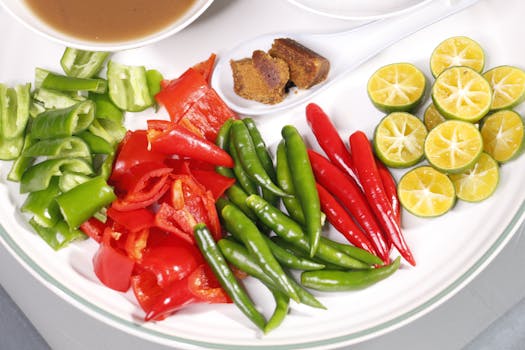
If you’re a culinary explorer, Malaysia rewards the adventurous with surprises at every turn — from the smoky aroma of satay grilling over charcoal to the tang of pickled wild herbs in rural Borneo. The sheer abundance of fresh produce, spices, and seafood ensures that even familiar dishes have regional nuances that keep the palate engaged.
Moreover, Malaysia’s food culture is deeply inclusive. Whether you’re vegetarian, vegan, halal, or seeking gluten-free options, the diversity of its population has fostered a food scene with something for everyone.
In a world where culinary trends often favor the familiar, Malaysian cuisine is a reminder of the joy found in uncharted territory — in discovering new tastes, connecting with different cultures, and savoring the stories that every meal can tell.