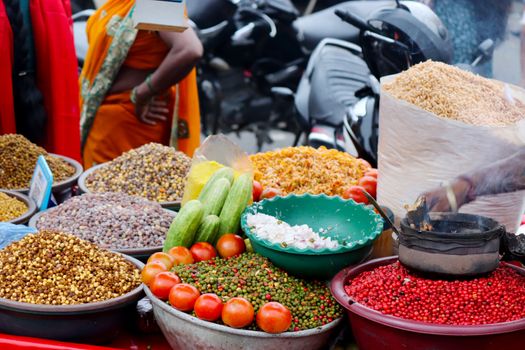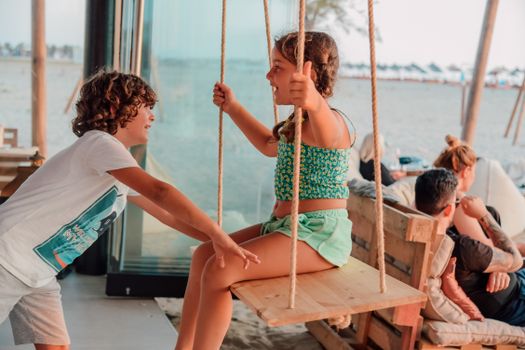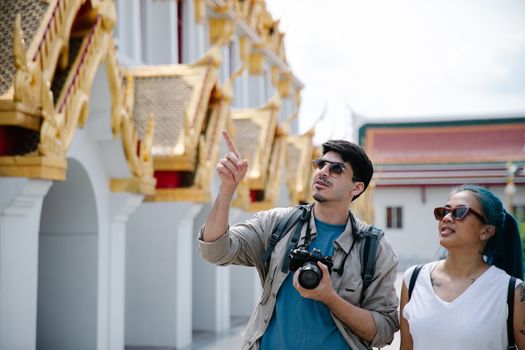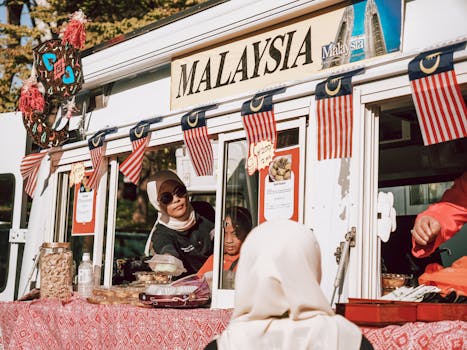
Malaysia is a country defined by its vibrant diversity, not only in its landscapes and languages but especially in the everyday rhythms of its people. Nowhere is this more evident than in the way Malaysians live, eat, and celebrate their cultures. Food isn’t just nourishment in Malaysia; it is a living testament to centuries of migration, trade, and communal living. From bustling morning markets to lavish festival gatherings, the Malaysian lifestyle is best understood through the shared experiences around the dining table and the many cultural practices intertwined with it. Let’s embark on an insightful journey into the Malaysian lifestyle, exploring how food and culture create a uniquely harmonious way of life.
The Melting Pot: Malaysia’s Multicultural Foundation
Malaysia stands out as a true melting pot in Southeast Asia, with a population of about 33 million (as of 2023) comprising mainly Malays (approximately 63%), Chinese (24%), Indians (7%), and indigenous groups (6%). These communities have coexisted for centuries, each bringing their unique customs, religions, and, most importantly, culinary traditions.
Unlike many other multicultural societies, Malaysians celebrate their diversity with remarkable harmony. This coexistence is visible in daily life, from joint celebrations of major religious holidays to the fusion dishes served at restaurants and hawker centers. For example, during the festive season, a typical Malaysian might be invited to open houses for Hari Raya (Eid), Chinese New Year, and Deepavali (Diwali) all in the span of a few months. Each event offers not just an insight into religious rituals, but also a chance to sample a dazzling variety of traditional dishes.
.png)
Rituals of Eating: Meals as a Social Glue
In Malaysia, food is much more than sustenance—it’s a social event. Mealtimes are often communal, serving as a daily reaffirmation of familial and social bonds. The concept of “makan” (the Malay word for “eat”) is central to Malaysian life, and it extends beyond the home to workplaces, schools, and public spaces.
Breakfast might be a simple affair of roti canai (flaky flatbread) and teh tarik (pulled tea) at a mamak stall, while lunch could mean aromatic nasi lemak shared with colleagues. Evenings are reserved for bustling night markets, where friends and families gather to sample satay, laksa, or cendol.
A telling statistic: according to a 2022 survey by the Department of Statistics Malaysia, nearly 82% of Malaysians eat out at least once a week, and 40% do so three or more times. This reflects the central role that food—particularly street food and hawker fare—plays in daily life.
Festivals and Feasts: Celebrating through Food
Malaysia’s calendar is peppered with vibrant festivals, each associated with specific foods and rituals. These celebrations are not only religious in nature but also serve as opportunities for cultural exchange and unity.
For instance, Hari Raya Aidilfitri is celebrated with lemang (glutinous rice cooked in bamboo), rendang (slow-cooked spiced meat), and ketupat (rice cakes). Chinese New Year brings yee sang (prosperity toss salad) and pineapple tarts. Deepavali means sweet treats like murukku and laddoo. Even non-religious festivals, such as the harvest festival Kaamatan in Sabah, feature unique dishes like hinava (a tangy fish salad).
The practice of “open house,” in which households welcome friends and neighbors of all backgrounds to share in festive meals, is a uniquely Malaysian tradition. It embodies the spirit of sharing and inclusivity that characterizes the nation’s lifestyle.
Regional Flavors: Diversity on the Plate
Malaysia’s geography has given rise to regional food identities, with each state and community offering its own specialties. The northern state of Penang is famed for its char kway teow (stir-fried rice noodles) and asam laksa (spicy-sour fish noodle soup), while Kelantan in the east is known for nasi kerabu (blue rice salad) and sweet treats like akok.
East Malaysia (Sabah and Sarawak) brings indigenous flavors into the mix, such as Sarawak laksa, hinava, and umai (raw fish salad). Malay, Chinese, and Indian culinary influences are further enriched by Thai, Indonesian, Arab, and even Portuguese elements, thanks to centuries of trade and colonial history.
To illustrate the breadth of Malaysia’s culinary diversity, here is a comparative overview of signature dishes from major communities:
| Community | Signature Dish | Key Ingredients | Typical Occasion |
|---|---|---|---|
| Malay | Nasi Lemak | Coconut rice, sambal, anchovies, peanuts, egg | Breakfast, daily meal |
| Chinese | Hainanese Chicken Rice | Poached chicken, fragrant rice, chili sauce | Lunch, festivals |
| Indian | Banana Leaf Rice | Rice, assorted curries, pickles, papadam | Lunch, festive gatherings |
| Indigenous (Sabah) | Hinava | Raw fish, lime, ginger, chili, bitter gourd | Harvest festival (Kaamatan) |
Cultural Practices Beyond the Table
While food is central, Malaysian lifestyle is shaped by a broader set of cultural practices. Respect for elders, strong family ties, and communal cooperation are deeply embedded values. For example, the concept of "gotong-royong" (mutual help) is practiced during neighborhood clean-ups, weddings, and even during disaster relief efforts, uniting communities across religious and ethnic divides.
Another defining aspect is the dress code, which adapts to religious and cultural norms: Malays may don the traditional baju kurung or baju melayu, Chinese may wear cheongsam or samfu during festive days, while Indians might dress in sarees or kurta-pajamas. These clothes are more than fashion—they signify identity and respect for tradition, especially during ceremonies and formal events.
Celebrations such as weddings, coming-of-age ceremonies, and funerals are marked by elaborate rituals, often involving the wider community. For example, Malay weddings are grand affairs with “bersanding” (the sitting-in-state ceremony), while Chinese weddings feature tea ceremonies and multiple banquet courses. Indian weddings are known for vibrant dances and feasts.
Modern Influences: Adapting Tradition in Urban Malaysia
Malaysia’s rapid urbanization has brought about significant changes in lifestyle, particularly in its cities. As of 2023, almost 78% of Malaysians live in urban areas. This shift is reflected in the growing popularity of international cuisines, fusion dishes, and modern café culture, especially among younger Malaysians.
Despite these changes, traditional foods and customs remain deeply rooted. Many urban families still gather for weekly family meals, and festive celebrations continue to draw large crowds. The rise of food delivery apps—Malaysia’s food delivery market was estimated at $1.3 billion USD in 2022—has made it even easier for Malaysians to stay connected to their culinary heritage, whether at home or on the go.
Moreover, nationwide campaigns such as “Buy Malaysian First” and “Jom Makan” encourage citizens to support local producers and rediscover traditional tastes. Food festivals, cooking competitions, and cultural exhibitions are frequently organized to foster pride in Malaysia’s unique way of life.
Final Reflections: Understanding Malaysia Through Food and Culture
Experiencing Malaysian lifestyle means immersing oneself in the joyous blend of flavors, customs, and shared experiences that define the nation. From the clatter of chopsticks at a Chinese coffee shop to the aromatic waft of spices at a Malay night market, every meal tells a story—of family, of migration, of unity in diversity.
While modernity shapes new trends and tastes, Malaysians continue to cherish their culinary and cultural roots, ensuring that the essence of their lifestyle remains vibrant for generations to come. Anyone seeking to understand Malaysia need only look at its food traditions and the communal way in which they are enjoyed—a delicious window into the soul of this remarkable nation.