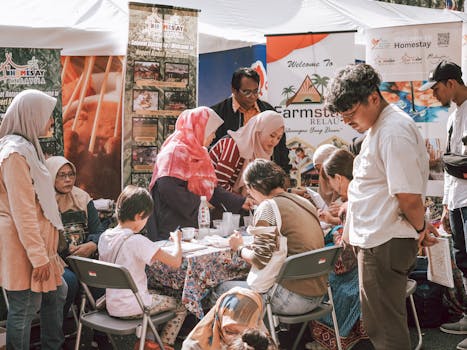
Malaysia is a nation renowned for its vibrant diversity, uniquely positioning it as a crossroads of cultures, cuisines, and communities. From the bustling metropolises of Kuala Lumpur and Penang to the serene landscapes of Sabah and Sarawak, Malaysia’s richness is felt in every aspect of daily life. This article delves deep into how Malaysia’s food, culture, and people create an unparalleled tapestry of experiences—one that continues to enchant visitors and locals alike. We’ll explore the intricate layers that make up Malaysia’s identity, highlighting surprising facts, key statistics, and compelling comparisons to help you appreciate the true richness of this Southeast Asian gem.
Malaysia’s Melting Pot: A Tapestry of Peoples and Languages
One of the most fascinating aspects of Malaysia is its multicultural population. The country is home to over 32.7 million people (as of 2022), with three major ethnic groups: Malays (about 69%), Chinese (23%), and Indians (7%), alongside numerous indigenous communities known as the Orang Asli and peoples of Sabah and Sarawak.
What makes this demographic composition exceptional is the way these communities have retained their distinct cultures while also creating new, uniquely Malaysian practices. For instance, the Peranakan or Baba-Nyonya culture arose from intermarriage between Chinese immigrants and local Malays hundreds of years ago, producing a hybrid of customs, dress, and cuisine still celebrated today.
.png)
Malaysia officially recognizes Bahasa Malaysia as its national language, but English, Mandarin, Tamil, and a variety of other tongues are spoken daily. This linguistic diversity is mirrored in the country’s education system, where vernacular schools teach in Mandarin or Tamil, and English is widely used in business and higher education.
| Ethnic Group | Population Percentage | Main Language(s) | Key Festivals |
|---|---|---|---|
| Malay | 69% | Bahasa Malaysia | Hari Raya Aidilfitri, Hari Raya Haji |
| Chinese | 23% | Mandarin, Hokkien, Cantonese | Chinese New Year, Mid-Autumn Festival |
| Indian | 7% | Tamil, Telugu, Malayalam | Deepavali, Thaipusam |
| Indigenous (Orang Asli, Sabah, Sarawak) | 1.5% | Various indigenous languages | Gawai Dayak, Kaamatan |
This harmonious coexistence is not without its challenges, but it remains a remarkable feature in a world where such diversity often leads to division rather than unity.
Culinary Wonders: A Taste of Malaysia’s Diversity
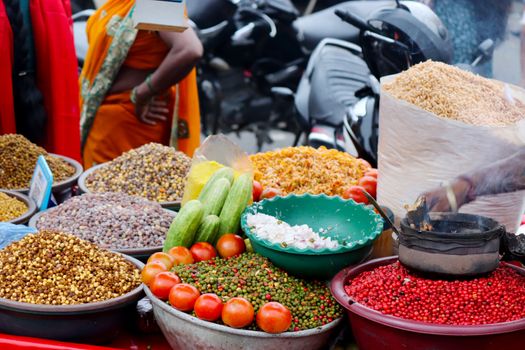
Malaysia’s food scene is a living testament to its multicultural roots, blending Malay, Chinese, Indian, and indigenous influences into a cuisine that is both complex and universally loved. In fact, Malaysia has been ranked among the world’s top food destinations by publications like Lonely Planet and CNN Travel.
Signature dishes such as nasi lemak (fragrant rice cooked in coconut milk), char kuey teow (stir-fried rice noodles), and roti canai (flaky flatbread) are available everywhere from roadside stalls to high-end restaurants. Each dish embodies the story of its creators, incorporating spices, techniques, and ingredients passed down through generations.
Street food is particularly iconic in Malaysia. According to the Malaysia Tourism Promotion Board, street food tourism contributed to a 23% increase in foreign arrivals in 2018. Hawker centers in cities like Penang, Ipoh, and Kuala Lumpur are legendary, offering everything from satay to assam laksa and cendol.
What sets Malaysian cuisine apart is not just the variety, but the way dishes are adapted and reimagined. For example, Chinese Hainanese chicken rice takes on different flavors in Penang versus Kuala Lumpur, reflecting local preferences and ingredients.
Festivals and Traditions: Celebrating Together, Differently
Few countries celebrate as many public holidays and festivals as Malaysia. With more than 50 official holidays across its 13 states, Malaysians embrace the festivities of all major religions and cultures—often joining each other in open houses and communal celebrations.
Hari Raya Aidilfitri, Chinese New Year, and Deepavali are national holidays, but so are Harvest Festivals like Gawai (Sarawak) and Kaamatan (Sabah), celebrating indigenous cultures. During these times, it’s common for Malaysians of all backgrounds to visit each other’s homes, a practice known as “makan-makan” or open house, reflecting the warmth and hospitality that defines the country.
Malaysia also recognizes festivals like Thaipusam, complete with dramatic processions at the Batu Caves, and the Hungry Ghost Festival, marked by Chinese communities with street performances and offerings. In 2023, more than 2 million people participated in Thaipusam celebrations nationwide.
These festivals are more than just holidays; they’re vital for social cohesion, teaching respect and understanding across communities.
Natural Riches: Biodiversity and Eco-Cultural Experiences
Beyond people and food, Malaysia is exceptionally rich in natural resources and biodiversity. The country boasts nearly 20% of the world’s animal species and 12,500 species of flowering plants, according to the Malaysian Nature Society. The rainforests of Borneo and Peninsular Malaysia are among the world’s oldest—some dating back over 130 million years.
This biodiversity is celebrated through eco-cultural tourism. Rural villages (kampungs) and indigenous settlements (longhouses in Sarawak and Sabah) offer immersive experiences where visitors can learn about traditional crafts such as batik, songket weaving, and blowpipe making. The Royal Belum State Park, for example, is home to the elusive Malayan tiger and over 300 bird species, offering guided treks that blend nature with local heritage education.
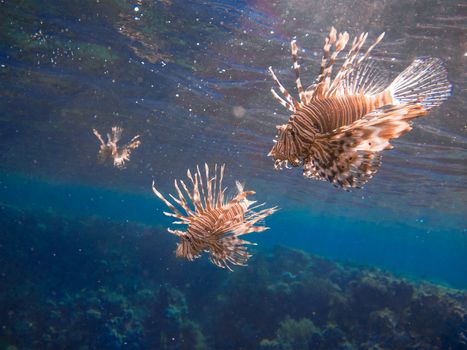
Malaysia’s marine parks, such as those in Tioman, Redang, and Sipadan, are ranked among the top 10 global diving destinations by Scuba Diver magazine. These areas not only highlight natural wealth but also the sustainable practices of local communities that have preserved them for centuries.
Modern Malaysia: Innovation Meets Tradition
While Malaysia honors its roots, it is also a nation on the move. Kuala Lumpur’s skyline, dominated by the 452-meter-tall Petronas Twin Towers, symbolizes the country’s ambitions. Malaysia ranked 32nd in the 2023 IMD World Competitiveness Rankings, ahead of countries like South Korea and Spain, thanks to its robust infrastructure and digital economy.
Yet, even as urbanization accelerates—over 78% of Malaysians now live in cities—the country has managed to maintain its cultural soul. Youth festivals, art markets, and contemporary music scenes flourish alongside traditional dance troupes and crafts. In 2022, the George Town and Melaka heritage zones attracted over 5 million local and international visitors, a testament to the successful blend of preservation and progress.
Malaysia’s government invests in initiatives like the “Malaysia My Second Home” program, attracting expatriates and retirees with the promise of a culturally rich, safe, and affordable lifestyle. The country’s high literacy rate (over 95% as of 2021) and multilingual workforce make it an attractive destination for global talent and investment.
Malaysian Hospitality: The Heart of Its Richness
What truly sets Malaysia apart, however, is the warmth and generosity of its people. The concept of “gotong-royong” (mutual cooperation) is deeply embedded in Malaysian society. Whether in rural villages or urban neighborhoods, it is common to see communities coming together to help one another, especially during festivals, weddings, or times of need.
Malaysians are known for their easy smiles and relaxed, welcoming demeanor. In a survey conducted by InterNations in 2022, Malaysia ranked among the top 10 friendliest countries for expatriates and digital nomads. Visitors frequently remark on how locals go out of their way to offer directions, share meals, or explain customs.
The open house tradition during festivals is perhaps the most vivid example of this hospitality. Regardless of background or religion, everyone is invited to join in the feasting and celebration, reinforcing social bonds and mutual respect.
Discovering the True Richness of Malaysia
Malaysia’s richness cannot be measured by economic metrics alone. It lies in the harmonious blending of ancient traditions and modern ambition, in the flavors of its street food, the vibrancy of its festivals, and above all, in the everyday acts of kindness that define its people. Whether you are wandering the heritage streets of Melaka, diving in the clear waters of Sipadan, or sharing a meal at a local kopitiam, you are experiencing a culture that values both its roots and its future.
For the curious traveler or the culture enthusiast, Malaysia offers an ever-unfolding story—one where every chapter reveals something new about the intertwined fates of food, culture, and community. To truly understand Malaysia is to embrace its diversity, savor its flavors, and connect with its people.