Malaysia is a land where ancient traditions and modern dynamism converge, creating a vibrant cultural mosaic that enchants travelers and locals alike. With its diverse population, centuries-old history, and a landscape dotted with temples, mosques, colonial relics, and indigenous villages, Malaysia offers a captivating journey through the roots and rhythms of Southeast Asia. Yet, what truly sets Malaysia apart is not just its cultural variety, but the way these differences harmoniously coexist and interact in daily life. Embarking on a cultural journey through Malaysia means delving into a world of festivals, arts, beliefs, crafts, and rituals that have evolved over generations, each telling a story of unity in diversity.
Malaysia’s Multicultural Heritage: Unity in Diversity
Malaysia is often described as a microcosm of Asia, and for good reason. The country is home to three major ethnic groups: Malays (about 69%), Chinese (23%), and Indians (7%), alongside numerous indigenous communities collectively known as the Orang Asli in Peninsular Malaysia and the Dayak peoples in Sabah and Sarawak. This remarkable blend of cultures is the result of centuries of migration, trade, colonization, and intermarriage.
The legacy of this multiculturalism is visible everywhere — from the Islamic domes of Kuala Lumpur’s mosques to the red lanterns of Penang’s Chinese clan houses, and the colorful saris worn during Deepavali. Each group has preserved its unique customs, languages, and religious practices, yet interacts seamlessly with others, particularly during national celebrations such as Hari Raya Aidilfitri, Chinese New Year, and Thaipusam.
.png)
A walk through Malaysian cities demonstrates this harmonious coexistence. In George Town, Penang, you’ll find the Kapitan Keling Mosque, Sri Mahamariamman Hindu Temple, and Khoo Kongsi Chinese Clanhouse all within a single neighborhood. This physical proximity mirrors the social intermingling that makes Malaysia unique.
Festivals: A Year-Round Cultural Spectacle
Malaysia’s calendar brims with vibrant festivals that offer a window into the country’s soul. These celebrations are not just religious or ethnic observances, but national events that bring communities together in joyful solidarity.
One of the most spectacular is Thaipusam, celebrated by the Tamil Hindu community each January or February. Over 1.5 million devotees and visitors flock to Batu Caves near Kuala Lumpur, where pilgrims carry kavadis — ornate structures attached to their bodies — as acts of penance and devotion. The sight of thousands ascending the 272 steps to the temple, set against dramatic limestone cliffs, is unforgettable.
Chinese New Year, marking the lunar new year, sees homes and businesses decorated in red, lion dances parading the streets, and fireworks lighting up the night. Open houses are a hallmark of Malaysian celebrations; during major festivals, families invite friends of all backgrounds to share traditional foods and goodwill.
Hari Raya Aidilfitri, known as Eid al-Fitr elsewhere, is a time when Malaysians visit family graves, don traditional attire, and host feasts after a month of Ramadan fasting. Even non-Muslims often join in, reflecting Malaysia’s open-hearted approach to festivities.
In East Malaysia, the Gawai Dayak (June 1-2) and Kaamatan (May 30-31) celebrate the rice harvest with music, dance, and ritual. These indigenous festivals highlight the unique cultures of Sarawak and Sabah, including traditional bamboo music and warrior dances.
Traditional Arts and Crafts: Keeping Heritage Alive
Malaysia’s artistic traditions reflect its multicultural roots and are a testament to the country’s creative spirit. Batik, for instance, is a textile art form that originated in Indonesia but has developed its own distinctive Malaysian patterns and colors. The eastern state of Terengganu is famous for its brightly colored, hand-drawn batik sarongs, worn during both daily life and special occasions.
Another renowned craft is songket, an exquisite brocade woven with gold or silver threads, traditionally worn by Malay royalty. In 2021, UNESCO inscribed “Songket” on its Representative List of the Intangible Cultural Heritage of Humanity, recognizing Malaysia’s role in preserving this art.
Chinese artisans in Malaysia are known for their intricate woodcarving and vibrant lantern-making, while Indian communities contribute jewelry-making and the ancient art of kolam, intricate rice flour designs created at doorways during Deepavali for good luck.
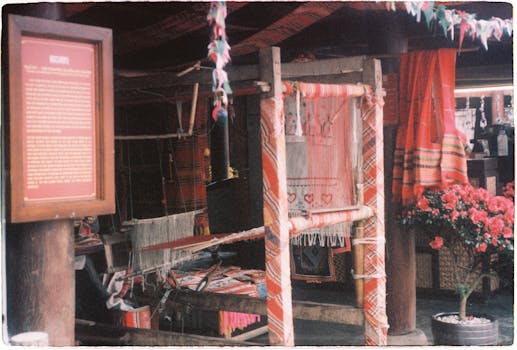
The indigenous peoples, especially in Borneo, are skilled in beadwork, weaving, and blowpipe making. The pua kumbu (Iban ceremonial cloth), woven on backstrap looms, tells stories through symbolic motifs and is still used in rituals today.
Religious Sites and Sacred Spaces: Architectural Wonders
Malaysia’s landscape is dotted with places of worship that are not only spiritual centers but also architectural masterpieces. These buildings represent the artistic achievements and religious devotion of the nation’s diverse communities.
The Sultan Salahuddin Abdul Aziz Mosque in Shah Alam, also called the Blue Mosque, is the largest in Malaysia and can accommodate 24,000 people. Its 142-meter-high minarets are among the tallest in the world, and its massive blue and silver dome dominates the skyline.
The Kek Lok Si Temple in Penang, the largest Buddhist temple in Malaysia, is an eclectic blend of Chinese, Thai, and Burmese architectural elements. The temple complex features a 30-meter-tall statue of the Goddess of Mercy, Kuan Yin, and stunning views over George Town.
Sri Mahamariamman Temple in Kuala Lumpur, dating back to 1873, is a vibrant Hindu temple famed for its ornately sculpted gopuram (tower) adorned with over 200 colorful deities. Meanwhile, St. George’s Church in Penang, built in 1818, is the oldest Anglican church in Southeast Asia, reflecting British colonial heritage.
These sacred spaces are open to visitors of all backgrounds, allowing everyone to appreciate Malaysia’s spiritual diversity and architectural grandeur.
Living Traditions: Music, Dance, and Cuisine
Malaysia’s culture is alive not just in its monuments, but in everyday life. Music and dance are integral to celebrations and rituals across ethnic groups. The Malay zapin and joget are lively dance forms accompanied by traditional instruments like the gambus (lute) and rebana (drum). Chinese opera troupes perform during festivals, while Indian classical dances such as Bharatanatyam add color to temple processions.
East Malaysia’s ethnic groups have their own musical heritage, such as the sape, a boat-shaped lute, and the magunatip, a bamboo dance resembling the Filipino tinikling.
Cuisine, too, is a living tradition and a core part of Malaysian identity. Each ethnic group brings its own flavors and techniques, resulting in a culinary scene that is as diverse as it is delicious. Dishes like nasi lemak (rice with coconut milk, anchovies, peanuts, and sambal), char kway teow (stir-fried rice noodles), and roti canai (flaky Indian flatbread) are beloved by all Malaysians, regardless of origin.
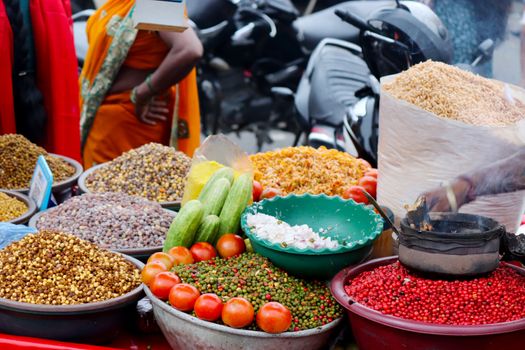
Street markets, known as pasar malam, offer a sensory feast, where you can sample everything from Malay satay skewers to Indian curries and Chinese steamed buns in a single evening.
Comparing Malaysia’s Major Cultural Influences
To better appreciate how Malaysia’s cultural influences blend, here’s a comparative overview of the three main ethnic traditions:
| Aspect | Malay | Chinese | Indian |
|---|---|---|---|
| Religion | Islam (majority) | Buddhism, Taoism, Christianity | Hinduism, Christianity, Sikhism |
| Major Festivals | Hari Raya Aidilfitri, Hari Raya Haji | Chinese New Year, Mid-Autumn Festival | Deepavali, Thaipusam, Ponggal |
| Traditional Dress | Baju Melayu, Baju Kurung | Cheongsam, Samfu | Sari, Kurta |
| Signature Dishes | Nasi Lemak, Rendang | Char Kway Teow, Hainanese Chicken Rice | Roti Canai, Banana Leaf Rice |
| Languages | Malay (Bahasa Malaysia) | Mandarin, Cantonese, Hokkien | Tamil, Telugu, Malayalam |
This table highlights just a few ways in which each community contributes to Malaysia’s rich tapestry, while also showcasing the shared spaces and blended practices that define modern Malaysian identity.
Preserving the Past, Embracing the Future
While Malaysia’s cultural heritage is a source of pride, it faces challenges from rapid modernization, urbanization, and globalization. Yet, there is a growing movement to preserve traditional arts, languages, and architecture. Government initiatives like the National Heritage Act (2005) support the conservation of historic buildings, while cultural festivals and art markets receive increasing attention from both locals and tourists.
Efforts to teach local languages in schools and promote crafts through cooperatives help keep heritage alive for future generations. In recent years, the tourism sector has seen a rise in “cultural tourism,” with nearly 12 million international visitors in 2023 expressing interest in heritage sites, festivals, and local traditions, according to Malaysia’s Ministry of Tourism, Arts and Culture.
Furthermore, digital technology is being harnessed to document oral histories, digitize artifacts, and connect artisans with global markets. This balance of preservation and innovation ensures that Malaysia’s cultural wonders will continue to inspire and unite people for generations to come.
Exploring the Wonders of Malaysia: A Journey Worth Taking
A cultural journey through Malaysia is a journey through time, tradition, and transformation. From the bustling metropolises of Kuala Lumpur and Penang to the tranquil longhouses of Sarawak and Sabah, every corner of this nation reveals a new layer of its rich heritage. Whether you are marveling at the architectural beauty of a mosque, joining a festival parade, savoring a heritage recipe, or listening to the rhythms of a traditional dance, Malaysia promises an experience that is both deeply rooted and ever-evolving.
In a world where cultural differences often divide, Malaysia stands as a testament to the beauty and strength of diversity. Its wonders are not just in its monuments and museums, but in the warmth, creativity, and resilience of its people. For travelers and culture enthusiasts alike, Malaysia offers endless opportunities to learn, connect, and be inspired.