Malaysia: A Symphony of Cultures — Harmony, Heritage, and Modern Identity
Malaysia stands as one of Southeast Asia’s most captivating nations, not merely for its lush rainforests or gleaming skyscrapers, but for the harmonious blend of cultures that defines its national character. From the bustling streets of Kuala Lumpur to the serene villages of Sabah, Malaysia is a living tapestry where Malay, Chinese, Indian, and indigenous traditions interweave seamlessly. This symphony of cultures isn’t just a poetic metaphor—it’s a day-to-day reality, visible in the nation’s festivals, language, architecture, and even its governance. In this article, we’ll embark on a journey to discover how Malaysia’s multiculturalism shapes its society, creates unique opportunities, and occasionally presents challenges that the country continues to embrace and overcome.
The Foundations of Malaysia’s Cultural Harmony
Malaysia’s multicultural identity is rooted in centuries of migration, trade, and colonial history. The Malay Peninsula was once a vital stop along ancient trade routes, attracting merchants and settlers from India, China, the Middle East, and Europe. Over time, these waves of migration led to a rich confluence of ethnic groups, each contributing to Malaysia’s social fabric.
Today, Malaysia’s population of approximately 33.5 million (as of 2023) is primarily composed of three major ethnic groups: Malays (about 69%), Chinese (23%), and Indians (7%), with indigenous peoples (collectively called Orang Asli in Peninsular Malaysia and Bumiputera in East Malaysia) making up the remainder. This diversity is further reflected in the more than 130 languages and dialects spoken nationwide.
.png)
The country’s official religion is Islam, but freedom of worship is enshrined in the constitution, allowing Buddhists, Christians, Hindus, Sikhs, and others to practice openly. Multiculturalism is not just accepted but celebrated, with public holidays for Hari Raya Aidilfitri, Chinese New Year, Deepavali, and Christmas. This legal and societal framework lays the groundwork for the unique symphony of cultures that resonates throughout Malaysia.
Festivals: A Vibrant Calendar of Shared Celebrations
Few countries can match Malaysia’s packed calendar of festivals, which brings together communities in joyous celebration. These events are more than just holidays—they are opportunities for cross-cultural exchange, mutual understanding, and nationwide festivity.
One striking example is the open house tradition, or “rumah terbuka,” where families of all backgrounds invite friends, neighbors, and even strangers to celebrate major festivals together. During Chinese New Year, non-Chinese friends are welcomed with mandarin oranges and traditional snacks. At Hari Raya, Muslim households serve rendang and ketupat to guests of every faith. Deepavali sees the lighting of lamps and sharing of Indian sweets across communities.
Major festivals attract millions. For instance, Thaipusam at Batu Caves can draw over 1.5 million devotees and tourists annually. The George Town Festival, a month-long arts celebration in Penang, showcases performances by Malaysian and international artists, underlining the country’s global outlook and cultural inclusivity.
Language: The Melodic Blend of Tongues
Language is perhaps the most immediate evidence of Malaysia’s cultural symphony. While Bahasa Malaysia (Malay) is the national language and the medium of instruction in government schools, English is widely spoken and remains the lingua franca of business, science, and tourism.
Chinese Malaysians speak Mandarin and regional dialects like Cantonese and Hokkien, while Tamil is the main language of the Indian community. Indigenous groups have their own languages, many of which are actively preserved through education and media. Multilingual signage, announcements, and media broadcasts are the norm, particularly in cities.
A unique linguistic phenomenon in Malaysia is “Manglish”—a colloquial mix of Malay, English, Chinese dialects, and Tamil, peppered with local slang. This linguistic fluidity is a testament to the daily interactions and mutual influences among communities, making conversations a blend as harmonious as the country itself.
Food: Culinary Fusion at Its Finest
If there is one area where Malaysia’s cultural symphony plays loudest, it is in its food. Malaysian cuisine is a delicious blend of Malay, Chinese, Indian, and indigenous flavors, with each community borrowing and adapting elements from the others.
Popular dishes like nasi lemak, satay, and laksa are enjoyed by all Malaysians, regardless of background. Chinese influences bring dim sum and char kway teow, while Indian heritage is celebrated in roti canai and teh tarik. East Malaysia adds to this mix with Sabahan and Sarawakian specialties such as hinava (raw fish salad) and kolo mee.
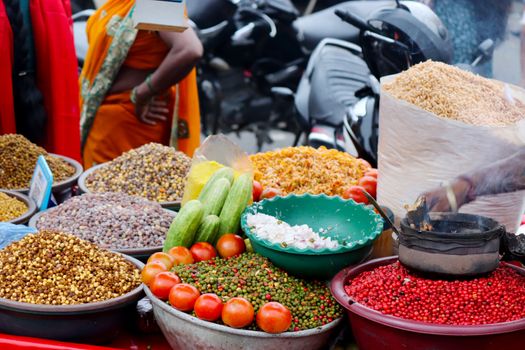
Street food is a unifying force, with hawker centers and night markets serving as melting pots where people from all walks of life gather. According to the Malaysian Department of Statistics, over 80% of urban Malaysians eat out at least once a week, highlighting the central role of food in social life. UNESCO even recognized Malaysian street food as an “intangible cultural heritage” candidate in 2023.
For a quick comparison of signature dishes and their cultural origins, see the table below.
| Dish | Cultural Origin | Main Ingredients | Region Popularity |
|---|---|---|---|
| Nasi Lemak | Malay | Rice, coconut milk, sambal, anchovies, egg | Nationwide |
| Char Kway Teow | Chinese | Flat rice noodles, shrimp, egg, soy sauce | Penang, Kuala Lumpur |
| Roti Canai | Indian | Flour, ghee, dhal curry | Peninsular Malaysia |
| Hinava | Kadazan-Dusun (Indigenous) | Raw fish, lime, ginger, chili | Sabah (East Malaysia) |
| Kolo Mee | Sarawakian Chinese | Egg noodles, minced pork, shallots | Sarawak (East Malaysia) |
Architecture and the Arts: Visible Symbols of Unity
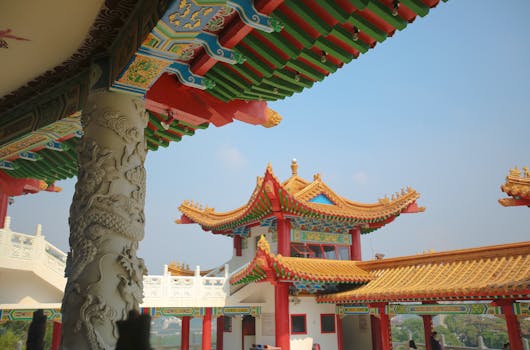
Malaysia’s built environment is another canvas on which its cultural harmony is painted. The country’s architecture ranges from traditional Malay wooden houses to Chinese clan houses, Indian temples, colonial-era buildings, and modern skyscrapers.
Kuala Lumpur’s skyline is dominated by the iconic Petronas Twin Towers, a symbol of national pride and modernity. Yet, just a short distance away, you can find the Sultan Abdul Samad Building—a Moorish-style colonial relic—and the ornate Sri Mahamariamman Hindu temple, the city’s oldest.
UNESCO World Heritage sites like George Town (Penang) and Melaka showcase beautifully preserved shophouses, mosques, churches, and temples, each telling a story of migration and coexistence. The arts scene is equally dynamic, with multicultural influences expressed in music, dance, and visual arts. Wayang kulit (shadow puppetry) blends Hindu epics with local folklore, while contemporary artists such as Red Hong Yi reimagine Malaysia’s cultural identity for global audiences.
Challenges and Opportunities in a Multicultural Society
While Malaysia’s cultural diversity is a source of strength and creativity, it also presents ongoing challenges. Managing ethnic relations, promoting equal opportunities, and maintaining national unity are perennial concerns.
Policies such as the New Economic Policy (NEP) and subsequent affirmative action programs have been implemented to address economic disparities, primarily between the Malay majority and other groups. While these policies have reduced poverty rates dramatically—from over 49% in 1970 to under 6% in 2022—they have also sparked debates about fairness and social cohesion.
Education remains a key battleground. Malaysia operates vernacular schools for Chinese and Indian communities alongside national schools, sparking discussions about integration versus cultural preservation. However, many young Malaysians increasingly identify as “Bangsa Malaysia” (Malaysian nation), reflecting a desire for a more inclusive identity.
The rise of social media and increased global connectivity are also reshaping how Malaysians perceive their multiculturalism. Campaigns like #KitaMalaysia (“We are Malaysia”) and interfaith dialogues are fostering greater understanding and breaking down stereotypes, particularly among younger generations.
Malaysia’s Multicultural Symphony: A Model for the World
In a world where cultural clashes often dominate headlines, Malaysia’s experience stands as both an inspiration and a case study. The country demonstrates that diversity, far from being a liability, can be a source of resilience, innovation, and joy.
Tourists and expatriates frequently cite Malaysia’s warmth, hospitality, and openness as reasons for their affection. According to the World Economic Forum’s 2023 Travel and Tourism Development Index, Malaysia ranked 35th out of 117 economies for cultural resources, underscoring its international appeal.
As Malaysia continues to modernize, its challenge will be to preserve the delicate balance between unity and diversity. The symphony of cultures that defines Malaysia is not a static composition—it is an ongoing performance, with new voices and harmonies emerging every day.